Automated testing is a cornerstone of agile development. An effective testing strategy will deliver new functionality more aggressively, accelerate user feedback, and improve quality. However, for many developers, creating effective automated tests is a unique and unfamiliar challenge. xUnit Test Patterns is the definitive guide to writing automated tests using xUnit, the most popular unit testing framework in use today. Agile coach and test automation expert Gerard Meszaros describes 68 proven patterns for making tests easier to write, understand, and maintain. He then shows you how to make them more robust and repeatable--and far more cost-effective. Loaded with information, this book feels like three books in one. The first part is a detailed tutorial on test automation that covers everything from test strategy to in-depth test coding. The second part, a catalog of 18 frequently encountered "test smells," provides trouble-shooting guidelines to help you determine the root cause of problems and the most applicable patterns. The third part contains detailed descriptions of each pattern, including refactoring instructions illustrated by extensive code samples in multiple programming languages. Topics covered include Writing better tests--and writing them faster The four phases of automated tests: fixture setup, exercising the system under test, result verification, and fixture teardown Improving test coverage by isolating software from its environment using Test Stubs and Mock Objects Designing software for greater testability Using test "smells" (including code smells, behavior smells, and project smells) to spot problems and know when and how to eliminate them Refactoring tests for greater simplicity, robustness, and execution speed This book will benefit developers, managers, and testers working with any agile or conventional development process, whether doing test-driven development or writing the tests last. While the patterns and smells are especially applicable to all members of the xUnit family, they also apply to next-generation behavior-driven development frameworks such as RSpec and JBehave and to other kinds of test automation tools, including recorded test tools and data-driven test tools such as Fit and FitNesse. Visual Summary of the Pattern Language Foreword Preface Acknowledgments Introduction Refactoring a Test PART I: The Narratives Chapter 1 A Brief Tour Chapter 2 Test Smells Chapter 3 Goals of Test Automation Chapter 4 Philosophy of Test Automation Chapter 5 Principles of Test Automation Chapter 6 Test Automation Strategy Chapter 7 xUnit Basics Chapter 8 Transient Fixture Management Chapter 9 Persistent Fixture Management Chapter 10 Result Verification Chapter 11 Using Test Doubles Chapter 12 Organizing Our Tests Chapter 13 Testing with Databases Chapter 14 A Roadmap to Effective Test Automation PART II: The Test Smells Chapter 15 Code Smells Chapter 16 Behavior Smells Chapter 17 Project Smells PART III: The Patterns Chapter 18 Test Strategy Patterns Chapter 19 xUnit Basics Patterns Chapter 20 Fixture Setup Patterns Chapter 21 Result Verification Patterns Chapter 22 Fixture Teardown Patterns Chapter 23 Test Double Patterns Chapter 24 Test Organization Patterns Chapter 25 Database Patterns Chapter 26 Design-for-Testability Patterns Chapter 27 Value Patterns PART IV: Appendixes Appendix A Test Refactorings Appendix B xUnit Terminology Appendix C xUnit Family Members Appendix D Tools Appendix E Goals and Principles Appendix F Smells, Aliases, and Causes Appendix G Patterns, Aliases, and Variations Glossary References Index "
Automated testing is a cornerstone of agile development. An effective testing strategy will deliver new functionality more aggressively, accelerate user feedback, and improve quality. However, for many developers, creating effective automated tests is a unique and unfamiliar challenge.
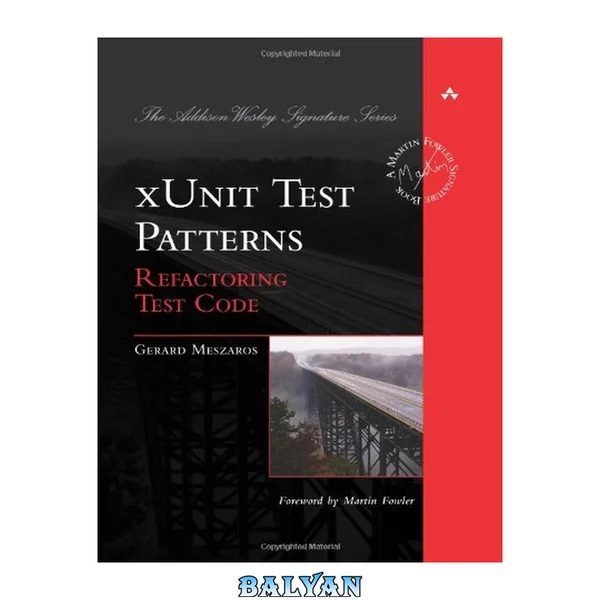
xUnit Test Patterns is the definitive guide to writing automated tests using xUnit, the most popular unit testing framework in use today. Agile coach and test automation expert Gerard Meszaros describes 68 proven patterns for making tests easier to write, understand, and maintain. He then shows you how to make them more robust and repeatable--and far more cost-effective.
Loaded with information, this book feels like three books in one. The first part is a detailed tutorial on test automation that covers everything from test strategy to in-depth test coding. The second part, a catalog of 18 frequently encountered "test smells," provides trouble-shooting guidelines to help you determine the root cause of problems and the most applicable patterns. The third part contains detailed descriptions of each pattern, including refactoring instructions illustrated by extensive code samples in multiple programming languages.
Topics covered include
- Writing better tests--and writing them faster
- The four phases of automated tests: fixture setup, exercising the system under test, result verification, and fixture teardown
- Improving test coverage by isolating software from its environment using Test Stubs and Mock Objects
- Designing software for greater testability
- Using test "smells" (including code smells, behavior smells, and project smells) to spot problems and know when and how to eliminate them
- Refactoring tests for greater simplicity, robustness, and execution speed
This book will benefit developers, managers, and testers working with any agile or conventional development process, whether doing test-driven development or writing the tests last. While the patterns and smells are especially applicable to all members of the xUnit family, they also apply to next-generation behavior-driven development frameworks such as RSpec and JBehave and to other kinds of test automation tools, including recorded test tools and data-driven test tools such as Fit and FitNesse.
Visual Summary of the Pattern Language
Foreword
Preface
Acknowledgments
Introduction
Refactoring a Test
PART I: The Narratives Chapter 1 A Brief Tour Chapter 2 Test Smells Chapter 3 Goals of Test Automation Chapter 4 Philosophy of Test Automation Chapter 5 Principles of Test Automation Chapter 6 Test Automation Strategy Chapter 7 xUnit Basics Chapter 8 Transient Fixture Management Chapter 9 Persistent Fixture Management Chapter 10 Result Verification Chapter 11 Using Test Doubles Chapter 12 Organizing Our Tests Chapter 13 Testing with Databases Chapter 14 A Roadmap to Effective Test Automation PART II: The Test Smells Chapter 15 Code Smells Chapter 16 Behavior Smells Chapter 17 Project Smells PART III: The Patterns Chapter 18 Test Strategy Patterns Chapter 19 xUnit Basics Patterns Chapter 20 Fixture Setup Patterns Chapter 21 Result Verification Patterns Chapter 22 Fixture Teardown Patterns Chapter 23 Test Double Patterns Chapter 24 Test Organization Patterns Chapter 25 Database Patterns Chapter 26 Design-for-Testability Patterns Chapter 27 Value Patterns PART IV: Appendixes Appendix A Test Refactorings Appendix B xUnit Terminology Appendix C xUnit Family Members Appendix D Tools Appendix E Goals and Principles Appendix F Smells, Aliases, and Causes Appendix G Patterns, Aliases, and Variations
Glossary
References
Index
Automated testing is a cornerstone of agile development. An effective testing strategy will deliver new functionality more aggressively, accelerate user feedback, and improve quality. However, for many developers, creating effective automated tests is a unique and unfamiliar challenge.is the definitive guide to writing automated tests using xUnit, the most popular unit testing framework in use today. Agile coach and test automation expert Gerard Meszaros describes 68 proven patterns for making tests easier to write, understand, and maintain. He then shows you how to make them more robust and repeatable--and far more cost-effective. Loaded with information, this book feels like three books in one. The first part is a detailed tutorial on test automation that covers everything from test strategy to in-depth test coding. The second part, a catalog of 18 frequently encountered "test smells," provides trouble-shooting guidelines to help you determine the root cause of problems and the most applicable patterns. The third part contains detailed descriptions of each pattern, including refactoring instructions illustrated by extensive code samples in multiple programming languages. Topics covered includeWriting better tests--and writing them faster The four phases of automated tests: fixture setup, exercising the system under test, result verification, and fixture teardown Improving test coverage by isolating software from its environment using Test Stubs and Mock Objects Designing software for greater testability Using test "smells" (including code smells, behavior smells, and project smells) to spot problems and know when and how to eliminate them Refactoring tests for greater simplicity, robustness, and execution speed This book will benefit developers, managers, and testers working with any agile or conventional development process, whether doing test-driven development or writing the tests last. While the patterns and smells are especially applicable to all members of the xUnit family, they also apply to next-generation behavior-driven development frameworks such as RSpec and JBehave and to other kinds of test automation tools, including recorded test tools and data-driven test tools such as Fit and FitNesse.__Visual Summary of the Pattern Language__ __Preface__ __Introduction__PART I: The NarrativesChapter 1 A Brief TourChapter 2 Test SmellsChapter 3 Goals of Test AutomationChapter 4 Philosophy of Test AutomationChapter 5 Principles of Test AutomationChapter 6 Test Automation StrategyChapter 7 xUnit BasicsChapter 8 Transient Fixture ManagementChapter 9 Persistent Fixture ManagementChapter 10 Result VerificationChapter 11 Using Test DoublesChapter 12 Organizing Our TestsChapter 13 Testing with DatabasesChapter 14 A Roadmap to Effective Test AutomationPART II: The Test SmellsChapter 15 Code SmellsChapter 16 Behavior SmellsChapter 17 Project SmellsPART III: The PatternsChapter 18 Test Strategy PatternsChapter 19 xUnit Basics PatternsChapter 20 Fixture Setup PatternsChapter 21 Result Verification PatternsChapter 22 Fixture Teardown PatternsChapter 23 Test Double PatternsChapter 24 Test Organization PatternsChapter 25 Database PatternsChapter 26 Design-for-Testability PatternsChapter 27 Value PatternsPART IV: AppendixesAppendix A Test RefactoringsAppendix B xUnit TerminologyAppendix C xUnit Family MembersAppendix D ToolsAppendix E Goals and PrinciplesAppendix F Smells, Aliases, and CausesAppendix G Patterns, Aliases, and Variations__Glossary__ __Index__" A guide to writing automated tests for XUnit test automation frameworks. It introduces proven patterns for making tests easier to write, understand, and maintain. It includes topics such as: Writing better tests - and writing them faster; Software testing phases: fixture set up, exercise SUT, result verification, and fixture tear down; and more. This text improves software return on investment by teaching the reader how to refactor test code and reduce of prevent crippling test maintenance. A comprehensive glossary of testing and test automation terms are included