
جشن آبهای زیبا، دستنویس
Fête des belles eaux, manuscript
Messiaen, Olivierقیمت نهایی
۴۴٬۰۰۰ تومان۴۹٬۰۰۰ تومان۱۰٪ تخفیف
- تخفیف زماندار−۵٬۰۰۰ تومان
۵٬۰۰۰ تومان صرفهجویی نسبت به قیمت اصلی
نسخه اصلی و اورجینال
بلافاصله پس از خرید، فایل کتاب روی دستگاه شما آمادهٔ دانلود است.
تحویل فوری
پرداخت امن
ضمانت فایل
پشتیبانی
مشخصات کتاب
- نویسنده
- Messiaen, Olivier
- ناشر
- Alphonse Leduc
- سال انتشار
- ۱۹۳۷
- فرمت
- زبان
- فرانسوی
- حجم فایل
- ۱۷۴٫۶ مگابایت
- شابک
- 9780046295240، 9790046295249، 0046295240
دربارهٔ کتاب
The composer Olivier Messiaen was always keen to find new inspirations both ancient and modern such as rhythms, time, and even birdsong: in the 1930s, his latest discovery was a novel electronic instrument which was invented just a few years earlier. Maurice Martenot called it the 'ondes', French for waves, a name derived from the soundwaves one could make using a ring attached to it. 1937 was a dark year for all of Europe with an intense political climate, yet it was one of the happiest years of his life for Messiaen: his son, Pascal, was born in July. France hosted the Exposition internationale des arts et des techniques appliques à la vie moderne in 1937. Consequently, the city of Paris commissioned twenty composers, young and old, to write accompanying music for the Fêtes de la Lumière (Light Festivals). Many combinations of instruments were sought out, with almost half involving an instrument to be demonstrated at the exposition—the Ondes Martenot, which recently received a new model to be unveiled at the exposition. Messiaen was the only composer who decided to use an ensemble of ondes for his composition. The others that utilised it instead placed it as a member of an ensemble. The complete list of the twenty commissioned composers: Louis Aubert, Elsa Barraine, Henri Barraud, Marcel Delannoy, Claude Delvincourt, Arthur Honegger (who previously involved it in his 'Jeanne d'Arc au bûcher'), Jacques Ibert, Desire-Emile Inghelbrecht, Charles Koechlin, Paul Le Flem, Raymond Loucheur, Olivier Messiaen, Darius Milhaud, Jean Rivier, Manuel Rosenthal, Florent Schmitt, Pierre Vellones, and Maurice Yvain. The work was played thrice: 25 July, 12 September, and 3 October at the Grandes eaux spectacle. The composer, however, described the composition as somewhat of an improvisation: the title and timings of the music were imposed onto the writer by the commissioners. The composer did not at all approve of the 'rushed' work, with the exception of a single part. Messiaen described it as follows: "[...] For me, it symbolises an escape from the dimension of 'time': a humble approach to true Eternity. But that is just a very personal opinion: and even if it is justified, a single fragment is not much to justify the effect of a whole score." The comment refers to the moving fourth movement, L'eau; popularly (yet incorrectly) known as the Oraison (as Messiaen authorised separate performances in concert of it under this title). It was later transcribed for violoncello and piano in the Stalag VIII-A camp in 1940 to become the fifth (and arguably most popular) movement of his Quatuor pour la fin du Temps, 'Louange à l'éternité de Jésus'. Soon after, Messiaen involved the electronic instrument in several of his famous works, eventually summoning three to appear in his magnum opus, the opera Saint François d'Assise, from 1975 to 1983. In the 1970s, the composer considered revising the work and submitting it to Durand for publication, which did not occur. However, after many years of dormancy, it was finally published in 2003 by Alphonse Leduc. Along with the Turangalîla-Symphonie, it remains one of the most renowned and well-known compositions involving the ondes Martenot. 1.Premières Fusées - 2.L'Eau - 3.Les Fusées - 4.L'Eau - 5.Les Fusées - 6.L'Eau - 7.Superposition de l'Eau et des Fusées - 8.Feu d'Artifice final (for 6 ondes martenot)The melodic theme used in the fourth movement was also used later in the fifth movement ("Louange à l'Éternité de Jésus") of Messiaen's Quatuor pour la fin du temps.Fête des belles eaux is a 1937. composition by French composer Olivier Messiaen.[1] The work is scored for six ondes Martenots and was commissioned for the 1937 Paris Exposition.[2] The work was written to accompany the movement[3] of the fountains at the Exhibition. 3 - i. Premières fusées 5 - ii. L'eau 9 - iii. Les fusées 12 - iv. L'eau (Oraison) 15 - v. Les fusées 19 - vi. L'eau (à son maximum de hauteur) 24 - vii. Superposition de l'eau et des fusées 27 - viii. Feux d'artifice final
کتابهای مشابه

همیش مکباست، جلد ۱۵: آبهای تیره
۴۹٬۰۰۰ تومان

ایزابل و آبهای شیطان
۴۹٬۰۰۰ تومان
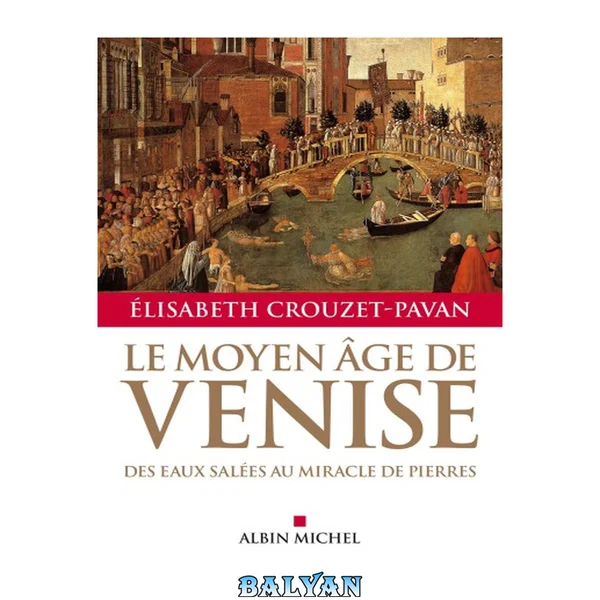
قرون وسطی ونیز: از آبهای شور تا معجزه سنگها
۴۹٬۰۰۰ تومان

لرزشها در آبهای تیره
۴۹٬۰۰۰ تومان
قتل در آبهای متلاطم
۴۹٬۰۰۰ تومان

دیدارهای زیبا
۴۹٬۰۰۰ تومان
جشنهای سلطنتی
۴۹٬۰۰۰ تومان
زیباترین داستان گیاهان
۴۹٬۰۰۰ تومان
آتلانتیس - دستنوشتههای فراموششده: کتاب اول - مرد سایه
۴۹٬۰۰۰ تومان
زیباترین داستان گیاهان
۴۹٬۰۰۰ تومان
کابارهٔ زن زیبا
۴۹٬۰۰۰ تومان
زیباترین داستان حیوانات
۴۹٬۰۰۰ تومان
قیمت نهایی
۴۴٬۰۰۰ تومان