
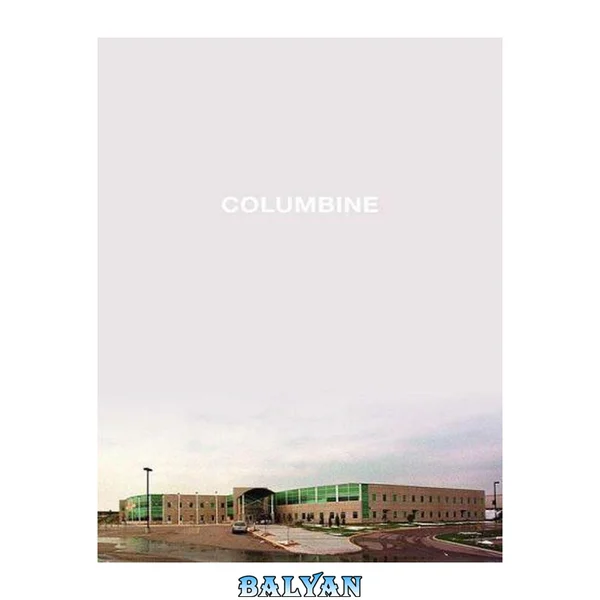
Columbine
Dave Cullen; David Cullenقیمت نهایی
۴۴٬۰۰۰ تومان۴۹٬۰۰۰ تومان۱۰٪ تخفیف
- تخفیف زماندار−۵٬۰۰۰ تومان
۵٬۰۰۰ تومان صرفهجویی نسبت به قیمت اصلی
نسخه اصلی و اورجینال
بلافاصله پس از خرید، فایل کتاب روی دستگاه شما آمادهٔ دانلود است.
تحویل فوری
پرداخت امن
ضمانت فایل
پشتیبانی
مشخصات کتاب
- نویسنده
- Dave Cullen; David Cullen
- ناشر
- Twelve [Imprint]
- سال انتشار
- ۲۰۰۹
- فرمت
- EPUB
- زبان
- انگلیسی
- حجم فایل
- ۵۱۲ کیلوبایت
- شابک
- 9780446546935، 9780446552219، 0446546933، 0446552216
دربارهٔ کتاب
From Publishers Weekly Starred Review. In this remarkable account of the April 20, 1999, Columbine High School shooting, journalist Cullen not only dispels several of the prevailing myths about the event but tackles the hardest question of all: why did it happen? Drawing on extensive interviews, police reports and his own reporting, Cullen meticulously pieces together what happened when 18-year-old Eric Harris and 17-year-old Dylan Klebold killed 13 people before turning their guns on themselves. The media spin was that specific students, namely jocks, were targeted and that Dylan and Eric were members of the Trench Coat Mafia. According to Cullen, they lived apparently normal lives, but under the surface lay an angry, erratic depressive (Klebold) and a sadistic psychopath (Harris), together forming a combustible pair. They planned the massacre for a year, outlining their intentions for massive carnage in extensive journals and video diaries. Cullen expertly balances the psychological analysis—enhanced by several of the nation's leading experts on psychopathology—with an examination of the shooting's effects on survivors, victims' families and the Columbine community. Readers will come away from Cullen's unflinching account with a deeper understanding of what drove these boys to kill, even if the answers aren't easy to stomach. (Apr. 6) Copyright В© Reed Business Information, a division of Reed Elsevier Inc. All rights reserved. From Bookmarks Magazine Many reviewers were more concerned with coming to grips with the attack rather than assessing the book, but their concern may be a testament to CullenвЂTMs work. His reporting fundamentally reframes the event: Columbine, he writes, should be thought of as a failed bombing rather than a school shooting. Furthermore, much of the conventional wisdom about how to prevent such attacks—essentially, watch out for pimply outcasts with a grudge—is confounded by an investigation into HarrisвЂTMs and KleboldвЂTMs actual lives. Most critics, with Janet Maslin a notable exception, thought that CullenвЂTMs account helps us to better wring meaning from the tragedy. In sum, Columbine “is an excellent work of media criticism, showing how legends become truths through continual citation” (New York Times Book Review). Copyright 2009 Bookmarks Publishing LLC On April 20, 1999, two boys left an indelible stamp on the American psyche. Their goal was simple: to blow up their school, Oklahoma-City style, and to leave "a lasting impression on the world." Their bombs failed, but the ensuing shooting defined a new era of school violence-irrevocably branding every subsequent shooting "another Columbine." When we think of Columbine, we think of the Trench Coat Mafia; we think of Cassie Bernall, the girl we thought professed her faith before she was shot; and we think of the boy pulling himself out of a school window -- the whole world was watching him. Now, in a riveting piece of journalism nearly ten years in the making, comes the story none of us knew. In this revelatory book, Dave Cullen has delivered a profile of teenage killers that goes to the heart of psychopathology. He lays bare the callous brutality of mastermind Eric Harris, and the quavering, suicidal Dylan Klebold, who went to prom three days earlier and obsessed about love in his journal. The result is an astonishing account of two good students with lots of friends, who came to stockpile a basement cache of weapons, to record their raging hatred, and to manipulate every adult who got in their way. They left signs everywhere, described by Cullen with a keen investigative eye and psychological acumen. Drawing on hundreds of interviews, thousands of pages of police files, FBI psychologists, and the boy's tapes and diaries, he gives the first complete account of the Columbine tragedy. In the tradition of HELTER SKELTER and IN COLD BLOOD, COLUMBINE is destined to be a classic. A close-up portrait of hatred, a community rendered helpless, and the police blunders and cover-ups, it is a compelling and utterly human portrait of two killers-an unforgettable cautionary tale for our times. Ten years in the works, a masterpiece of reportage, this is the definitive account of the Columbine massacre, its aftermath, and its significance, from the acclaimed journalist who followed the story from the outset. "Like Capote's In Cold Blood, this tour de force gets below the who and the what of a horrifying incident to lay bare the devastating why." - People"The tragedies keep coming. As we reel from the latest horror..." So begins a new epilogue, illustrating how Columbine became the template for nearly two decades of "spectacle murders." It is a false script, seized upon by a generation of new killers. In the wake of Newtown, Aurora, and Virginia Tech, the imperative to understand the crime that sparked this plague grows more urgent every year. What really happened on April 20, 1999? The horror left an indelible stamp on the American psyche, but most of what we "know" is wrong. It wasn't about jocks, Goths, or the Trench Coat Mafia. Dave Cullen was one of the first reporters on the scene and spent ten years on this book - widely recognized as the definitive account. "Poignant sections devoted to the survivors probe the myriad ways that individuals cope with grief and struggle to interpret and make sense of tragedy... Carefully researched and chilling, if somewhat overwritten." - Kirkus ReviewsWith a keen investigative eye and psychological acumen, he draws on mountains of evidence, insight from the world's leading forensic psychologists, and the killers' own words and drawings - several reproduced in a new appendix. Cullen paints raw portraits of two polar opposite killers. They contrast starkly with the flashes of resilience and redemption among the survivors. Ten years in the works, a masterpiece of reportage, this is the definitive account of the Columbine massacre, its aftermath, and its significance, from the acclaimed journalist who followed the story from the outset.'The tragedies keep coming. As we reel from the latest horror...'So begins a new epilogue, illustrating how Columbine became the template for nearly two decades of'spectacle murders.'It is a false script, seized upon by a generation of new killers. In the wake of Newtown, Aurora, and Virginia Tech, the imperative to understand the crime that sparked this plague grows more urgent every year. What really happened April 20, 1999? The horror left an indelible stamp on the American psyche, but most of what we'know'is wrong. It wasn't about jocks, Goths, or the Trench Coat Mafia. Dave Cullen was one of the first reporters on scene, and spent ten years on this book-widely recognized as the definitive account. With a keen investigative eye and psychological acumen, he draws on mountains of evidence, insight from the world's leading forensic psychologists, and the killers'own words and drawings-several reproduced in a new appendix. Cullen paints raw portraits of two polar opposite killers. They contrast starkly with the flashes of resilience and redemption among the survivors. Expanded with a New Epilogue "On April 20, 1999, two boys left an indelible stamp on the American psyche. Their goal was simple : to blow up their school and to leave 'a lasting impression on the world.' Their bombs failed, but the ensuing shooting defined a new era of school violence ... Dave Cullen delivers a profile of teenage killers that goes to the heart of psychopathology. He lays bare the callous brutality of mastermind Eric Harris and the quavering, suicidal Dylan Klebold, who went to the prom three days later and obsessed about love in his journal. The result is an account of two good students with lots of friends, who were secretly stockpiling a basement cache of weapons, recording their raging hatred, and manipulating every adult who got in their way. They left signs everywhere. Drawing on hundreds of interviews, thousands of pages of police files, FBI psychologists, and the boys' tapes and diaries, he gives a complete account of the Columbine tragedy ... A close-up portrait of violence, a community rendered helpless, and police blunders and cover-ups, it is a human portrait of two killers"--Publisher description On April 20, 1999, two boys left an indelible stamp on the American psyche. Their goal was simple: to blow up their school and to leave 'a lasting impression on the world.' Their bombs failed, but the ensuing shooting defined a new era of school violence. Dave Cullen delivers a profile of teenage killers that goes to the heart of psychopathology. He lays bare the callous brutality of mastermind Eric Harris and the quavering, suicidal Dylan Klebold, who went to the prom three days earlier and obsessed about love in his journal. The result is an account of two good students with lots of friends, who were secretly stockpiling a basement cache of weapons, recording their raging hatred, and manipulating every adult who got in their way. They left signs everywhere. Drawing on hundreds of interviews, thousands of pages of police files, FBI psychologists, and the boys' tapes and diaries, he gives a complete account of the Columbine tragedy Ten Years In The Making And A Masterpiece Of Reportage, Columbine Is An Award-winning Journalist's Definitive Account Of One Of The Most Shocking Massacres In American History. Female Down -- After And Before -- The Downward Spiral -- Take Back The School -- Judgment Day -- Timeline : Before. Dave Cullen. Includes Bibliographical References (p. 389-403) And Index. Author's note on sources Female down After and before Downward spiral Take back the school Judgment day Timeline : before

قیمت نهایی
۴۴٬۰۰۰ تومان