
آتلانتیس: دنیای پیش از طوفان
Atlantis the antediluvian world
Fil Hunter، Steven Biver، Paul Fuqua، Robin Hunter-Reid، Ignatius Donnellyقیمت نهایی
۴۴٬۰۰۰ تومان۴۹٬۰۰۰ تومان۱۰٪ تخفیف
- تخفیف زماندار−۵٬۰۰۰ تومان
۵٬۰۰۰ تومان صرفهجویی نسبت به قیمت اصلی
نسخه اصلی و اورجینال
بلافاصله پس از خرید، فایل کتاب روی دستگاه شما آمادهٔ دانلود است.
تحویل فوری
پرداخت امن
ضمانت فایل
پشتیبانی
مشخصات کتاب
- ناشر
- 1882
- سال انتشار
- ۱۸۸۲
- فرمت
- زبان
- انگلیسی
- حجم فایل
- ۲۹٫۳ مگابایت
- شابک
- 9780367860264، 9780367860271، 9781000342673، 9781000342710، 9781003016502، 0367860260، 0367860279، 1000342670، 1000342719، 1003016502
دربارهٔ کتاب
Photographic lighting is a topic that will never go out of style, no matter how sophisticated cameras and other technology get. Even with the most high-tech gear, photographers still need to put a lot of thought and vision into lighting their photographs in order to get great results. Mastering this key skill has the power to dramatically and quickly improve your photographs as well as your efficiency. __Light____―Science____& Magic__ provides you with a comprehensive theory of the nature and principles of light, with examples and instructions for practical application. Featuring photographs, diagrams, and step-by-step instructions, this book speaks to photographers of varying levels. It provides invaluable information on how to light the most difficult subjects, such as surfaces, metal, glass, liquids, extremes (black-on-black and white-on-white), and portraits. This new edition includes: • Expanded chapters on portraiture and lighting equipment • Chapters on necessary equipment when working on location versus in the studio • An updated appendix of reliable photo gear sources • Over 100 new photographs and informational sidebars • Updated information about advances in flash equipment, LED panels, and fluorescent lights Lighting styles will evolve, but the science of light will always remain the same. Once photographers understand the basic physics of lighting (without having to become physicists), they can apply that knowledge to a broad range of photographic styles. Cover Half Title Title Page Copyright Page Dedications Contents Introduction 1 Light: the Beginning Lighting Is the Language of Photography What Are the “Principles?” Why Are the Principles Important? How Did We Choose the Examples for this Book? To Do or Not to Do? What Kind of Camera Do I Need? A Word of Caution What Lighting Equipment Do I Need? What Else Do I Need to Know to Use this Book? What Is the Magic Part of this Book? 2 Light: the Raw Material of Photography What Is Light? How Photographers Describe Light Brightness Color Contrast “Light” versus “Lighting” How the Subject Affects Lighting Transmission “Direct” versus “Diffuse” Transmission Absorption Reflection 3 The Management of Reflection and the Family of Angles Types of Reflections Diffuse Reflections The Inverse Square Law Direct Reflections The Family of Angles Polarized Direct Reflection Is It Polarized Reflection or Ordinary Direct Reflection? Turning Ordinary Direct Reflection into Polarized Reflection Applying the Theory 4 Surface Appearances The Photographer as an Editor Capitalizing on Diffuse Reflections The Angle of Light The Success and Failure of the General Rule The Distance of Light Doing the Impossible Using Diffuse Reflection and Shadow to Reveal Texture Capitalizing on Direct Reflection Complex Surfaces 5 Revealing Shape and Contour Depth Clues Perspective Distortion Distortion as a Clue to Depth Manipulating Distortion Tonal Variation The Size of the Light Large Lights versus Small Lights Distance from the Subject The Direction of the Light Light on the Side Light above the Subject Fill Light Adding Depth to the Background How Much Tonal Variation Is Ideal? Photographing Cylinders: Increasing Tonal Variation The Glossy Box Use a Dark- to Medium-Toned Background Eliminate Direct Reflection from the Box Top Move the Light Source toward the Camera Raise or Lower the Camera Use Falloff Eliminate Direct Reflection from the Box’s Sides Put a Black Card on the Tabletop Tip the Box Use a Longer Lens Finish with Other Resources Try a Polarizer Use Dulling Spray Use Direct Reflection 6 Metal Flat Metal Bright or Dark Finding the Family of Angles Position a White Target where You Think the Family of Angles Will Be Place a Test Light at the Camera Lens Aim the Test Light Study the Position and Shape of the Area Marked on the Test Surface Lighting the Metal Keeping the Metal Bright What is a “Normal” Exposure for Metal? Keeping the Metal Dark The Elegant Compromise Controlling the Effective Size of the Light Keeping the Metal Square Use a View Camera or Perspective Control Lens Aim the Camera through a Hole in the Light Source Photograph the Metal at an Angle Retouch the Reflection Metal Boxes A Light Background A Transparent Background A Glossy Background Round Metal Camouflage Keeping the Light off the Camera Using a Tent Other Resources Polarizing Filters Black Magic Dulling Spray Where Else Do these Techniques Apply? 7 The Case of the Disappearing Glass Principles Problems Solutions Two Attractive Opposites Bright-Field Lighting Choose the Background Position the Light Position the Camera Position the Subject and Focus the Camera Shoot the Picture Dark-Field Lighting Set Up a Large Light Source Set Up a Dark Background Smaller than the Light Source Position the Camera Position the Subject and Focus the Camera Shoot the Picture The Best of Both Worlds Some Finishing Touches Defining the Surface of Glassware Illuminating the Background Minimizing the Horizon Stopping Flare Eliminating Extraneous Reflections Complications from Nonglass Subjects Liquids in Glass Liquids as a Lens Keeping True Color Secondary Opaque Subjects Recognizing the Principal Subject 8 Making Portraits The Single-Light Portrait Set-up The Basic Set-up Light Size Skin Texture Where to Put the Main Light The Key Triangle Key Triangle Too Large: Main Light Too Near the Camera Key Triangle Too Low: Main Light Too High Key Triangle Too Narrow: Main Light Too Far to Side Left Side? Right Side? Broad Lighting or Short Lighting? Eyeglasses Additional Lights Fill Lights Reflector Cards as Fill Lights Background Lights Hair Lights Kickers Rim Lights Mood and Key Low-Key Lighting High-Key Lighting Staying in Key Dark Skin The Unfocused Spot More than One Person Using Colored Gels 9 The Extremes The Characteristic Curve The Perfect ”Curve” A “Bad” Camera Overexposure Underexposure Using Every Resource White-on-White Exposing White-on-White Scenes Lighting White-on-White Scenes Subject and Background Using an Opaque White Background Light the Subject from Above Use a Gobo above the Subject Add Dimension Using a Translucent White Background Using a Mirror Background In Any Case, Keep the Background Small Black-on-Black Exposing Black-on-Black Scenes Lighting Black-on-Black Scenes Subject and Background Using an Opaque Black Background Using a Glossy Black Surface Keeping the Subject away from the Background Histograms Preventing Problems Overmanipulation Curves New Principles 10 Working on Location The Lights We Use Heavy-Duty Portable Strobes “Hot-Shoe” Flashes LED Panels Getting the Exposure Right Letting Your Flash Do the Figuring Using a Meter Meters and LEDs Getting More Light Multiple, or “Ganged,” Flashes Battery Packs Flash Extenders Getting Better-Quality Light The Problems Take It Off Bouncing from Hard to Soft The Omni-Bounce—a Big Help for a Little Money “Raccoon Eyes” Feathering Your Light Forcing the Shadow Lights of Different Colors Why Is the Color of the Light Important? Tungsten Daylight Nonstandard Light Sources Do the Colors Mix? The Remedies Correcting Mixed Colors Correcting Unmixed Colors Filtering Daylight Correcting Errors in Reproduction Lights of Different Duration Different Approaches Other Useful Gear 11 Setting Up Your First Studio Lights: an Early Issue Getting Your Lights Right What Kinds of Lights? Flash Continuous Lights How Many Lights? Light Stands Booms Light Modifiers—Which Do I Need? Diffusers Reflectors Snoots, Grids, and Barn Doors Gobos and Flags Backgrounds Computers and Associated Gear Miscellaneous Equipment What Sort of Space? Appendix: Reliable Suppliers Index Photographic lighting is a topic that will never go out of style, no matter how sophisticated cameras and other technology get. Even with the most high-tech gear, photographers still need to put a lot of thought and vision into lighting their photographs in order to get great results. Mastering this key skill has the power to dramatically and quickly improve your photographs as well as your efficiency. Light ―Science & Magic provides you with a comprehensive theory of the nature and principles of light, with examples and instructions for practical application. Featuring photographs, diagrams, and step-by-step instructions, this book speaks to photographers of varying levels. It provides invaluable information on how to light the most difficult subjects, such as surfaces, metal, glass, liquids, extremes (black-on-black and white-on-white), and portraits. This new edition includes: • Expanded chapters on portraiture and lighting equipment • Chapters on necessary equipment when working on location versus in the studio • An updated appendix of reliable photo gear sources • Over 100 new photographs and informational sidebars • Updated information about advances in flash equipment, LED panels, and fluorescent lights Lighting styles will evolve, but the science of light will always remain the same. Once photographers understand the basic physics of lighting (without having to become physicists), they can apply that knowledge to a broad range of photographic styles. Photographic lighting is a topic that will never go out of style, no matter how sophisticated cameras and other technology get. Even with the most high-tech gear, photographers still need to put a lot of thought and vision into lighting their photographs in order to get great results. This key skill has the power to dramatically and quickly improve photographs. Light: Science & Magic provides you with a comprehensive theory of the nature and principles of light, with examples and instructions for practical application. Featuring photographs, diagrams, and step-by-step instructions, this book speaks to photographers of varying levels. It provides invaluable information on how to light the most difficult subjects, such as surfaces, metal, glass, liquids, extremes (black-on-black and white-on-white), and portraits. This new edition includes: All new chapter titled "Setting Up Your First Studio"; A revamped and expanded chapter 8, "Making Portraits"; New appendix of reliable photo gear sources; Over 100 new photographs and informational sidebars; Updated information about advances in flash equipment, LED panels, and fluorescent lights. Styles of lighting continue to change, but the nature of light will always remain the same. Once photographers understand the basic physics of lighting, they can apply that knowledge to a broad range of photographic styles. - Back cover. "Photographic lighting is a topic that will never go out of style, no matter how sophisticated cameras and other technology get. Even with the most high-tech gear, photographers still need to put a lot of thought and vision into lighting their photographs in order to get great results. Mastering this key skill has the power to dramatically and quickly improve your photographs as well as your efficiency. Light, Science and Magic provides you with a comprehensive theory of the nature and principles of light, with examples and instructions for practical application. Featuring photographs, diagrams, and step-by-step instructions, this book speaks to photographers of varying levels. It provides invaluable information on how to light the most difficult subjects, such as surfaces, metal, glass, liquids, extremes (black-on-black and white-on-white), and portraits. This new edition includes
کتابهای مشابه

پیشگویی آتلانتیس
۴۹٬۰۰۰ تومان

بازگشت به آتلانتیس (آتلانتیس، جلد دوم)
۴۹٬۰۰۰ تومان

پیمان آتلانتیس
۴۹٬۰۰۰ تومان
استدلال در دنیای واقعی: به سوی استنتاج فضایی-زمانی مقیاسپذیر و نامشخص (ماشینهای تفکر آتلانتیس، جلد 2)
۴۹٬۰۰۰ تومان

ژن آتلانتیس
۴۹٬۰۰۰ تومان

روح آتلانتیس
۴۹٬۰۰۰ تومان

مکاشفه آتلانتیس
۴۹٬۰۰۰ تومان
طرد در دنیای اولیه آتلانتیک: مجرمان، شورشیان و بردگان
۴۹٬۰۰۰ تومان

آتلانتیس جدید
۴۹٬۰۰۰ تومان
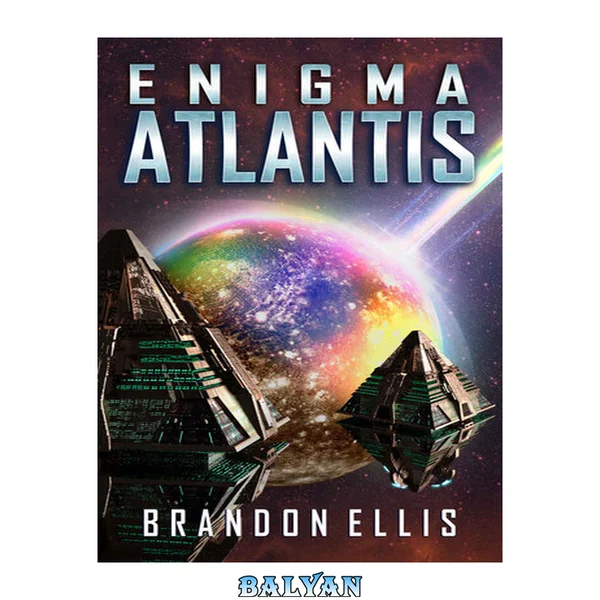
معما آتلانتیس
۴۹٬۰۰۰ تومان
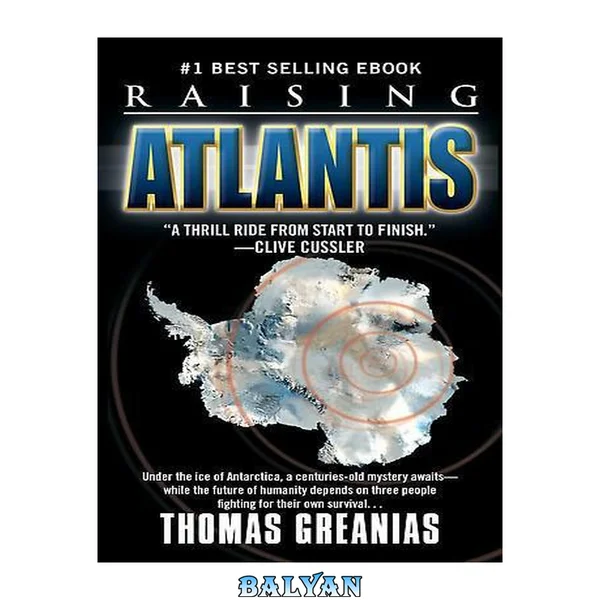
پرورش آتلانتیس
۴۹٬۰۰۰ تومان

سقوط آتلانتیس
۴۹٬۰۰۰ تومان
قیمت نهایی
۴۴٬۰۰۰ تومان